How to Layer Bedding: A Pattern Mixing Guide That Actually Works

There is a moment, usually around 11 p.m. on a Sunday, when you pull back the covers and realize your bed is the one place in the house that is fully yours. No notifications. No one asking for anything. Just you, a pillow, and the weight of a blanket that finally feels right.
That feeling is not an accident, and it is not about spending more. It comes from layers. A crisp sheet, a soft duvet, a throw folded at the foot, two or three pillows that look like they were chosen on purpose. The beds you save on Pinterest are rarely made of one expensive matching set. They are made of pieces that disagree a little, and somehow look better for it.
This guide shows you how to layer bedding in seven simple steps, how to mix patterns like stripes, plaid and polka dots without the room feeling chaotic, and which color combinations work every time. We will also be honest about what goes wrong, because everyone has made a bed that looked like a laundry pile.
If you only have two minutes, here is the short version: start with a solid base, add one hero pattern, bring in a second pattern at a different scale, and finish with texture. The rest of this post explains why that works, and how to do it in your own room.

Why Mismatched Is the New Matched
For years, the safe move was a bedding set where everything came from the same bag: same print, same color, same everything. It looked tidy and a little flat. Now people are doing the opposite. Search interest in mix and match bedding has climbed from roughly 390 searches a month in 2025 to about 590 this year in the US, and layered bedding ideas draw thousands more every month.
A few things are pushing this.
- Stripes are back. Interior and social trend roundups for 2026 keep returning to stripes, from thin retro lines to wide candy bands.
- Pattern drenching is mainstream. Instead of one safe print, people stack two or three patterns in the same color family and let the room feel rich.
- Browns and warm neutrals are replacing cold gray. Chocolate, mocha and cream pair easily with blues, pinks and yellows.
- Beds have become a place to rest, not just sleep. The nesting and "bed rotting" habit means people spend more waking hours in bed, so they want it to look good and feel better.
The practical upside is simple. Mixing is cheaper and more flexible than buying a full matched collection. You can change the whole mood of a bed by swapping one layer, and you can build it over time.
How to Layer Bedding in 7 Steps
Layering a bed works from the bottom up. Each layer has a job, and when the jobs are clear, the look follows. Here is the order that works for almost every bed size, from a dorm twin to a queen.
- Start with a fitted sheet and a flat sheet. Pick a solid or a very quiet pattern. This is your base, and it should feel good against your skin. Cotton breathes well, and satin feels cool and smooth in warm rooms.
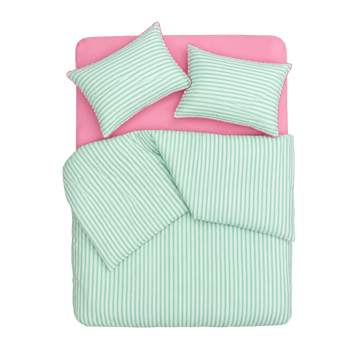
- Add the duvet or comforter. This is the largest surface on the bed, so it is where your hero pattern goes. A striped duvet cover is the easiest place to start because stripes read as calm even when they are colorful.
- Fold the flat sheet back. Pull the top sheet down about 12 inches over the duvet, or fold the duvet itself down by a third. This small fold shows the second layer and adds depth.
- Lay a blanket or quilt across the bottom third. Fold it in thirds, long side across the bed. A checkerboard or plaid throw works well here because it adds a second pattern without covering your main one.
- Place your sleeping pillows first. Two standard pillows against the headboard, in a solid or a pillowcase that echoes the duvet.
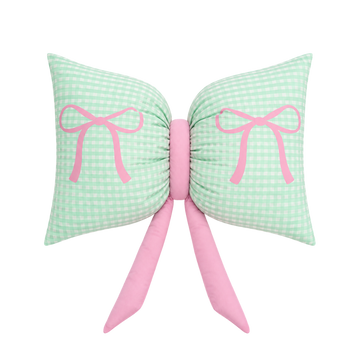
- Add decorative pillows in front. Use two or three, in different sizes. One large square, one smaller, one fun shape. This is where decorative pillows do their best work.
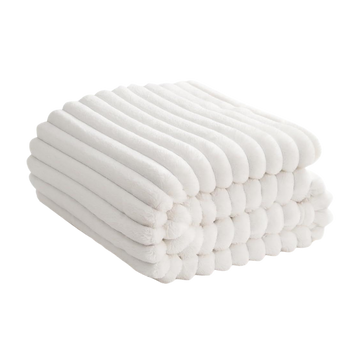
- Finish with texture. A fluffy throw, a knit blanket or a plush shaped pillow gives the bed something to touch. Texture is what makes a bed look inviting instead of merely tidy.
A simple rule for how many layers: three to five is plenty. More than that and the bed gets hard to make every morning, which is the quickest way to give up on the whole idea.
If you want a bed that works in every season, keep the middle layer flexible. A lighter cotton duvet cover with a throw is enough in summer, and a heavier quilt can slide in when it gets cold.

How to Mix and Match Bedding Without It Looking Messy
Mixing patterns feels risky because there is no obvious rulebook. There are, in fact, a few reliable ones that designers use again and again.
1. Pick one hero. Choose one pattern to be the star, usually the duvet cover. Everything else supports it.
2. Change the scale. Two patterns of the same size fight each other. Pair a thin stripe with a large plaid, or small polka dots with a wide stripe. When the scale is different, the eye reads them as separate things.
3. Keep a solid in the mix. A plain sheet, pillowcase or throw gives the eye a place to rest. Without a solid, even a good combination can feel busy.
4. Limit the palette. Pick two or three colors and repeat them across the layers. A brown stripe, a cream plaid and one blue accent will look planned even if the patterns are all different.
5. Stay at three patterns or fewer. Stripes, plaid and dots is a full bed. Add a fourth and it starts to look like a fabric sale.
6. Match the mood, not the print. Retro, preppy, coquette and coastal each have their own feel. Patterns from the same mood sit together easily even when they are totally different.
A quick test: take a photo of the bed and look at it in black and white on your phone. If you can still tell where each layer begins and ends, the scale and contrast are right.
Striped, Plaid and Polka Dot Bedding: How Each Pattern Behaves
Each pattern has a personality. Knowing it helps you decide which one is the hero and which one is the supporting act.
Striped bedding: the easy hero
Stripes are the most forgiving pattern on a bed, which is why "striped bedding" pulls in around 5,400 searches a month. A thin stripe reads almost like a solid from across the room, while a wide stripe makes a statement. The Soft Retro Striped Duvet Cover Set uses thin pastel lines on cotton, calm enough to carry a second pattern on top. If you want warmth, the Yellow & Brown Striped Cotton Bedding Set brings brown contrast pillowcases that look like a built in second layer.
Plaid bedding: the cozy anchor
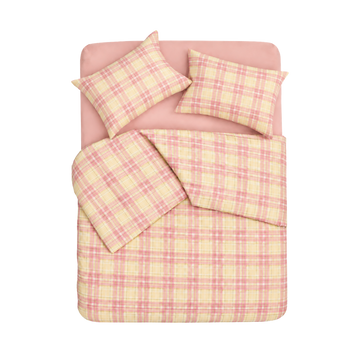
Plaid brings a cabin and campus feel, and it pairs well with stripes when the scale is different. The Preppy Plaid Brown Bedding Set mixes brown and blue and works with cream walls, dark wood and navy accents. Let plaid be the main event, then add a thin stripe or a solid on the pillows.
Polka dot bedding: the playful accent
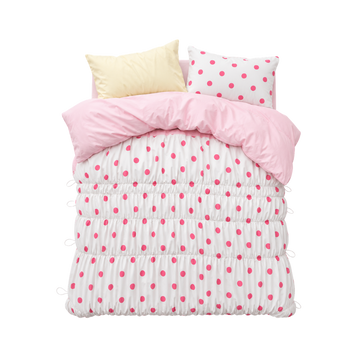
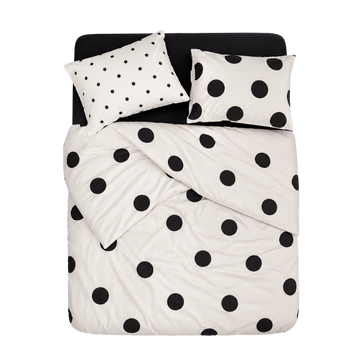
Dots add softness and a little sweetness. A satin dot like the Polka Dot Satin Duvet Cover Set, in white or pink, works best as the supporting layer next to a stripe. Used alone it leans coquette; next to stripes it leans preppy and fun.
Solids: the secret ingredient
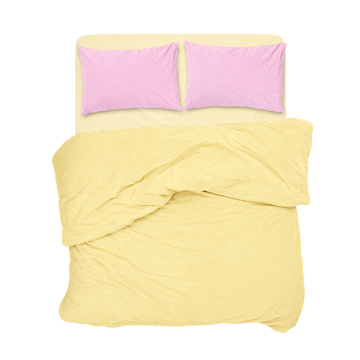
A solid piece keeps everything else from competing. The Solid Blue Cotton Duvet Cover Set is a clean base for a patterned throw and a few loud pillows.
| If your hero is | Pair it with | Why it works |
|---|---|---|
| Thin pastel stripe | Plaid throw or checkerboard blanket | Different scale, same soft palette |
| Brown and blue plaid | Cream or blue solid sheet, thin stripe pillowcase | Plaid stays the star |
| Polka dot satin | Wide stripe duvet | Dots soften the stripes |
| Solid blue | Any one bold pattern | A calm base lets the accent show |
Color Palettes That Always Work
Color is what makes a mix of patterns look intentional. These three palettes are easy to copy, and each one lines up with what people actually search for.
Brown and blue. Warm mocha or chocolate with denim or soft blue feels grown up without being dull. Searches for brown and blue bedding sit near 880 a month, and brown bedding alone is around 1,900. Try a brown and blue plaid duvet, a cream flat sheet and one pale blue striped pillowcase.
Pink and brown. A softer take, around 590 searches a month. Blush stripes against a chocolate throw look soft and balanced rather than sugary. Add a cream pillow to calm it down.
Blue and cream. The coastal classic. A thin blue stripe with a solid blue or white base and a cream knit throw keeps a small room feeling open. It is also the easiest palette for a dorm, because nothing in it clashes with random furniture.
If you are unsure, pick the dominant color from your hero pattern, then repeat it in exactly two other places, such as a pillow and a throw. Three appearances of a color reads as a plan. One looks like a mistake, and five looks like a uniform.
The Dorm and Nesting Version
A twin bed in a dorm does a lot of work. It is a desk, a couch, a place to eat, and where you sleep. That is why the "lush and plush" dorm look is popular: a bed that is soft enough to live on. The same idea fits any small room or first apartment.
For a twin or twin XL, keep it simple:
- Use one patterned duvet cover and one solid sheet set. Mixing three patterns on a twin gets crowded fast.
- Fold a throw at the foot instead of spreading it across, so you can still sit comfortably.
- Choose one oversized pillow as your back support. A big plush pillow or a Giant Plush Star Pillow turns a bed into a sofa.
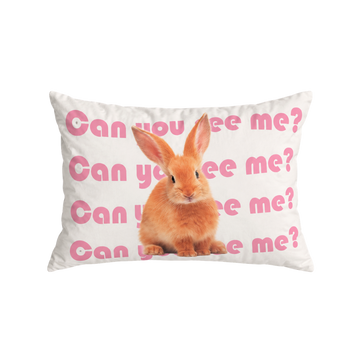
- Add one fun accent, such as a Tomato Cushion Pillow or a Bunny Plush Pillow, and stop there.
- Wash the top layers often. Duvet covers are made to come off and go in the machine, which is the whole point of the cover.
If you spend a lot of time in bed, reading, studying or just resting, think about comfort first. Back support, a throw within reach and a cover you can wash weekly matter more than the exact print. A bed that looks perfect but is uncomfortable becomes a bed you avoid.
Browse more ideas in our dorm room decor collection and bedding sets.
Common Layering Mistakes
- Too many pillows. If you need five minutes to move them before sleeping, you will stop using them. Three to five total is enough.
- Everything the same size. Vary the pillow sizes and the pattern scale.
- No solid. Without a quiet piece, the bed looks busy.
- Ignoring texture. Two flat cotton layers feel plain. Add a knit, fleece or plush piece.
- Fighting your room. Look at your curtains, rug and wall color. If the room is already patterned, make the bed simpler.
Frequently Asked Questions
What is the right order to layer bedding?
From bottom to top: fitted sheet, flat sheet, duvet or comforter, blanket or quilt, sleeping pillows, decorative pillows, and a final textured throw.
Can you mix stripes and plaid on the same bed?
Yes, if the scale is different and the colors overlap. Put the larger pattern on the duvet and the thinner one on pillowcases or a throw, and keep at least one solid piece in the bed.
What is the difference between a duvet cover and a comforter?
A comforter is a single filled piece you use as is. A duvet cover is a washable case that slips over a separate insert, so you can change the look or wash the cover without washing the filling. That makes a duvet cover the easier choice for layering and for changing patterns by season. See our duvet covers and sets.
How many pillows should be on a bed?
Two sleeping pillows for a twin or full, and two to four for a queen or king, plus two to three decorative pillows. Fewer is better if you make the bed every day.
How do you layer bedding in summer?
Use breathable cotton or satin, skip the heavy quilt, and keep a light throw folded at the foot. You still get the layered look without trapping heat.
How do I make mixed bedding look intentional?
Limit the palette to two or three colors, repeat each color at least twice, and keep one hero pattern.
Shop the Look
Everything mentioned in this guide, from our current best sellers.

Soft Retro Striped Duvet Cover Set
From $99.99
See Product

Polka Dot Satin Duvet Cover Set
From $70.99
See Product

Yellow & Brown Striped Cotton Bedding Set
From $113.99
See Product

Preppy Plaid Brown Bedding Set
From $99.99
See Product

Pink Striped Duvet Cover Set
From $91.99
See Product

Blue Striped Duvet Cover Set
From $113.99
See Product

Solid Blue Cotton Duvet Cover Set
From $89.99
See Product

Nordic Checkerboard Blanket
From $70.99
See Product

Giant Plush Star Pillow
From $40.99
See Product

Tomato Cushion Pillow
From $36.99
See Product

Bunny Plush Pillow
From $30.99
See Product
For the full range, see our striped bedding, plaid bedding, polka dot bedding, blankets and throws and gingham bedding collections.
Final Thought
A great bed is not one that matches. It is one that feels like you. Start with a solid base, choose a hero pattern, add a second pattern at a different scale, repeat your colors, and finish with texture. Change one layer when you are bored. That is the whole system.